exhibitions
Out in the Fresh Air? Early Ecological Projects during Artistic Plein-Airs in Poland
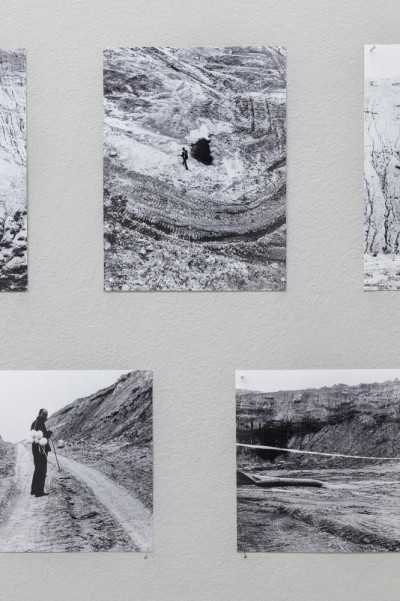
Out in the fresh air? But was the air really so fresh when artistic plein-airs were gaining popularity in Poland and the country’s communist authorities sought to “catch up” with the West by developing industry? When levels of coal extraction were the greatest in history, reaching even 200 million tons a year, and new mines dotted the landscape of Silesia.
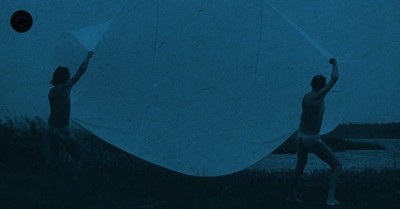
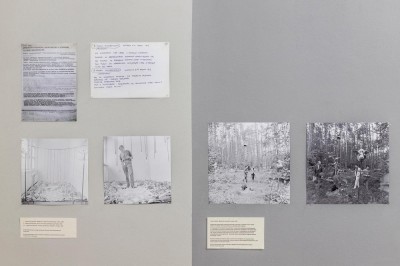
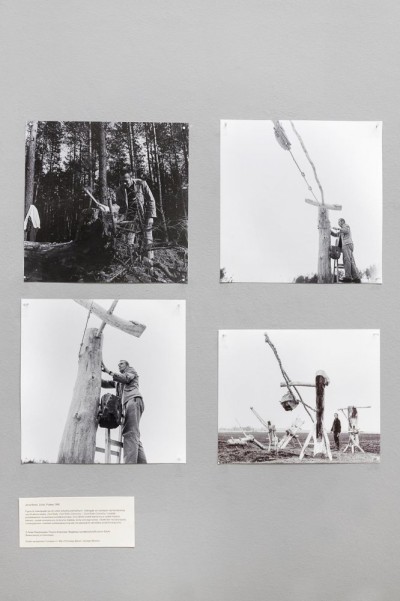
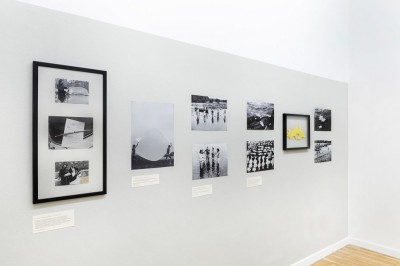
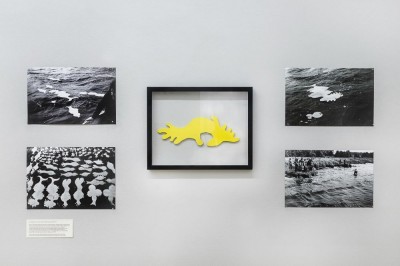
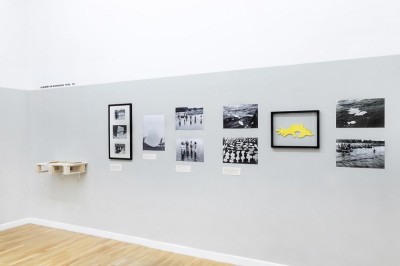
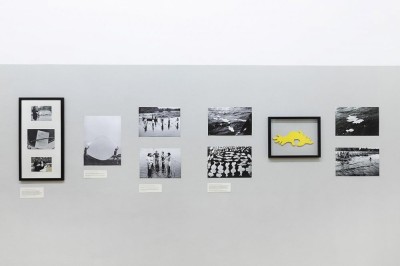
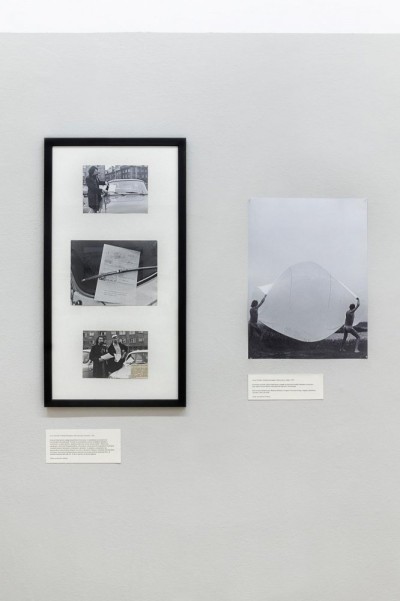
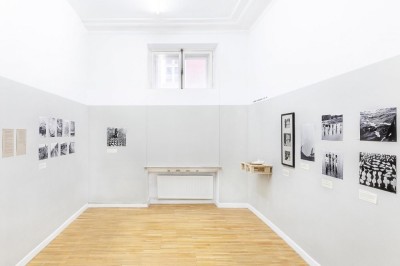
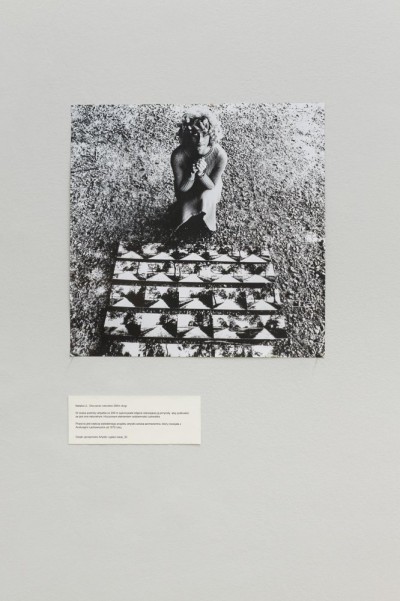
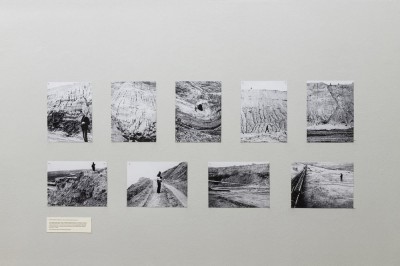
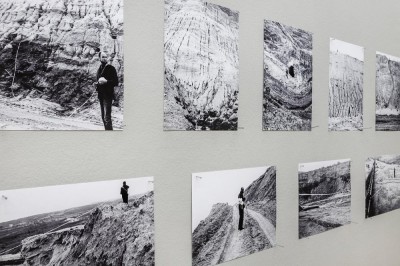
The exhibition seeks to encourage reflection on the origins of the ecological movement in Polish art. Ecology was very often addressed by artists during summer plein-airs. The topic gained a much more frequent and diverse presence during such meetings in the 1970s, which spawned a wide array of works devoted to the ties between humans and nature. Interestingly, such events were often sponsored by industrial plants, which aggravated environmental pollution. Some artists observed that situation with concern and highlighted the scale of the problem in their pieces.
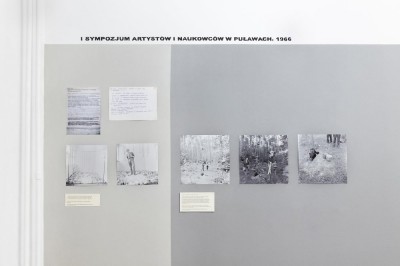
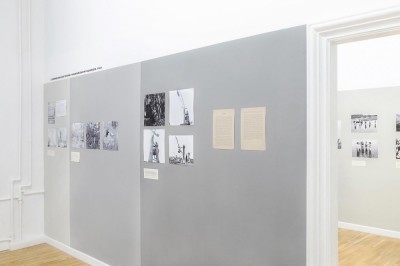
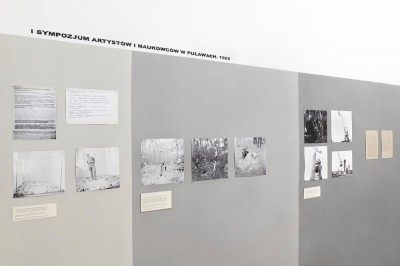
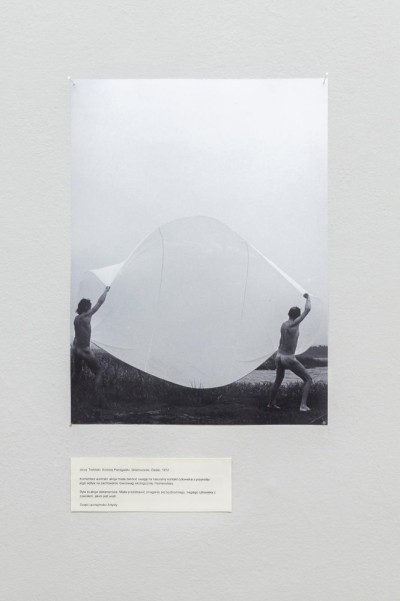
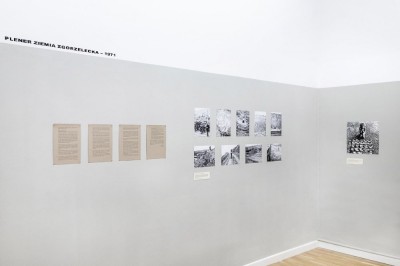
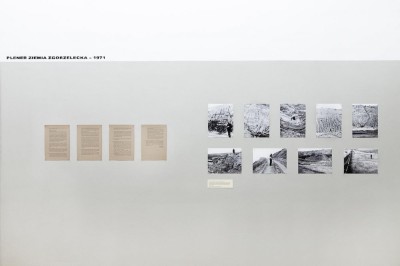
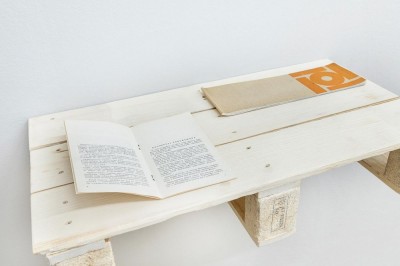
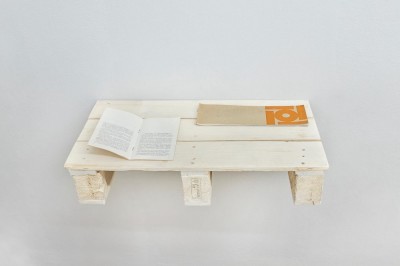
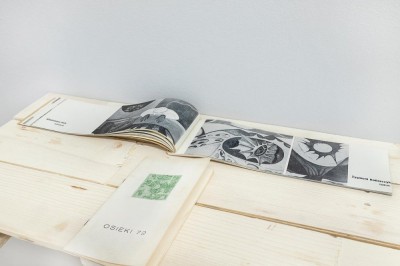
The exhibition presents selected works created during plein-airs where ecology often became the central theme, including the 1st Symposium of Artists and Scientists “Art in the Changing World” in Puławy, 1966; “Ziemia Zgorzelecka – 1971” plein-air titled “Art and Science in the Process of Protecting Human Natural Environment”; and Plein-Airs in Osieki in 1972, 1973 and 1974, themed, respectively, “Art and Science in the Process of Protecting Human Field of Vision”, “The Art of Water Images”, and “The Artist and the Earth 400,000 Km Afar”.
Pieces created on those occasions heralded the advent of ecology in the field of Conceptual Art and demonstrated artists’ boldness in opposing the “technocratic reality of the Polish People’s Republic”.
The projects also gain relevance in the context of current developments. They draw attention to the damage done to our planet, an issue approached by artists already towards the end of the 1960s, when they noted that fast-paced industrialisation led to the degradation of the natural environment. This serious problem was identified by artists of the era. Why did it then take so long for ecological initiatives to move beyond the sphere of art?ents. They draw attention to the damage done to our planet, an issue approached by artists already towards the end of the 1960s, when they noted that fast-paced industrialisation led to the degradation of the natural environment.
This serious problem was identified by artists of the era. Why did it then take so long for ecological initiatives to move beyond the sphere of art?
BIBLIOGRAPHY:
R. Ziarkiewicz, Awangarda w plenerze: Osieki i Łazy 1963-1981 : polska awangarda II połowy XX wieku w kolekcji Muzeum w Koszalinie
A. M. Leśniewska, Puławy 66 : I Sympozjum Artystów Plastyków i Naukowców, 2-23 sierpnia 1966
W. Gołkowska, J. Ludwiński,Plener Ziemia Zgorzelecka -1971, Opolno-Zdrój, lipiec 1971 : nauka i sztuka w procesie ochrony naturalnego środowiska człowieka
https://galeriaopole.pl/wydarzenia/wystawa-kleska-urodzaju-,385.html
http://www.journal.doc.art.pl/pdf18/Art_and_Documentation_18_section1_anex_trelinski.pdf
The exhibition seeks to encourage reflection on the origins of the ecological movement in Polish art. Ecology was very often addressed by artists during summer plein-airs. The topic gained a much more frequent and diverse presence during such meetings in the 1970s, which spawned a wide array of works devoted to the ties between humans and nature. Interestingly, such events were often sponsored by industrial plants, which aggravated environmental pollution. Some artists observed that situation with concern and highlighted the scale of the problem in their pieces.
The exhibition presents selected works created during plein-airs where ecology often became the central theme, including the 1st Symposium of Artists and Scientists “Art in the Changing World” in Puławy, 1966; “Ziemia Zgorzelecka – 1971” plein-air titled “Art and Science in the Process of Protecting Human Natural Environment”; and Plein-Airs in Osieki in 1972, 1973 and 1974, themed, respectively, “Art and Science in the Process of Protecting Human Field of Vision”, “The Art of Water Images”, and “The Artist and the Earth 400,000 Km Afar”.
Pieces created on those occasions heralded the advent of ecology in the field of Conceptual Art and demonstrated artists’ boldness in opposing the “technocratic reality of the Polish People’s Republic”.
The projects also gain relevance in the context of current developments. They draw attention to the damage done to our planet, an issue approached by artists already towards the end of the 1960s, when they noted that fast-paced industrialisation led to the degradation of the natural environment. This serious problem was identified by artists of the era. Why did it then take so long for ecological initiatives to move beyond the sphere of art?ents. They draw attention to the damage done to our planet, an issue approached by artists already towards the end of the 1960s, when they noted that fast-paced industrialisation led to the degradation of the natural environment.
This serious problem was identified by artists of the era. Why did it then take so long for ecological initiatives to move beyond the sphere of art?
BIBLIOGRAPHY:
R. Ziarkiewicz, Awangarda w plenerze: Osieki i Łazy 1963-1981 : polska awangarda II połowy XX wieku w kolekcji Muzeum w Koszalinie
A. M. Leśniewska, Puławy 66 : I Sympozjum Artystów Plastyków i Naukowców, 2-23 sierpnia 1966
W. Gołkowska, J. Ludwiński,Plener Ziemia Zgorzelecka -1971, Opolno-Zdrój, lipiec 1971 : nauka i sztuka w procesie ochrony naturalnego środowiska człowieka
https://galeriaopole.pl/wydarzenia/wystawa-kleska-urodzaju-,385.html
http://www.journal.doc.art.pl/pdf18/Art_and_Documentation_18_section1_anex_trelinski.pdf
Other exhibitions
-
 exhibitions
Natural Situations: Agnieszka Niziurska
-
 exhibitions
Parts. Zofia Glazer-Rudzińska
-
 exhibitions
Social History. 70 years of the gallery at Rynek Starego Miasta 2
-
 exhibitions
70th Anniversary of the Gallery at the Old Town Cultural Centre
-
 exhibitions
Such Was My Dream. Joanna Stańko
-
 exhibitions
Barbara Maroń. A Story Within a Story
-
 exhibitions
Applied Herstories: Irena Huml
-
 exhibitions
Grown in Love: Liliana Mikołajewska-Jansen
-
 exhibitions
Mirrors and Screens: Małgorzata Potocka, Jagoda Kaloper
-
 exhibitions
Places for Deliberation. Barbara Kozłowska
-
 exhibitions
Małgorzata Rittersschild. The Lizard Means Short-Lived Happiness
-
 exhibitions
Beyond Documentation Imaginations Emerge. Anna and Krystian Jarnuszkiewicz
-
 exhibitions
Presence. Maria Michałowska
-
 exhibitions
Argentine Experiment: CAyC and CSSR
-
 exhibitions
Jolanta Owidzka. I Wouldn’t Dare Walk on a Work of Art
-
 exhibitions
Open Jagoda Przybylak Studio
-
 exhibitions
Jagoda Przybylak: "... must see"
-
 exhibitions
Maria Michałowska: At the End of This Road I Might Find a Mirror exhibition
-
 exhibitions
Looking Into The Sun. Hanna Orzechowska
-
 exhibitions
Motifs: Krystyna Szczepanowska-Miklaszewska
-
 exhibitions
You Will Hear When You See Me
-
 exhibitions
Jagoda Przybylak: “... must see”
-
 exhibitions
Ties and Threads: Herstories of Eleonora Plutyńska
-
 exhibitions
The less work, the better effect. Liliana Lewicka
-
 exhibitions
Anna Buczkowska
-
 exhibitions
Wspólny splot
-
 exhibitions
Hanna Orzechowska. W relacji / In relation
-
 exhibitions
wystawa Pawła Kwieka "Zrobić niemożliwe światło"
-
 exhibitions
Małgorzata Potocka
-
 exhibitions
P.S. Warunkiem uczestnictwa jest praca twórcza. Mikrohistorie plenerow w Osiekach
-
 exhibitions
Who is Janina Węgrzynowska?
-
 exhibitions
Anna Ciba: When You Look Into My Eyes, What Do You See?
-
 exhibitions
Małgorzata Potocka. We Don’t Need Other Words When We Have Mirrors
-
 exhibitions
Zdzisław Jurkiewicz. Sun in the Kitchen
-
 exhibitions
CLICK. Sexualisation of Food in Art
-
 exhibitions
Andrij Bojarov / Андрій Бояров: Koło i kula / Коло і куля
-
 exhibitions
Tapta
-
 exhibitions
Sisters: Alicja & Bożena Wahl
-
 exhibitions
Zdzisław Jurkiewicz. Occurrences
-
 exhibitions
Three Things I Love in Life: the Car, Liquor, and Sailors
-
 exhibitions
Phony Smile. Language of Aesthetic Speculation in Croatian Photography
-
 exhibitions
Exhibition Laboratory of Presentation Techniques
-
 exhibitions
Barbara Kozłowska. Linia
-
 exhibitions
Barbara Kozłowska. You Can See It All Anywhere
-
 exhibitions
Soft shooting? Introducing the History of Women’s Photography in Croatia
-
 exhibitions
At The Worlds Table. Zdzisław Jurkiewicz
-
 exhibitions
The Case of Jadwiga S.
-
 exhibitions
IN. Ludmiła Popiel i Jerzy Fedorowicz
-
 exhibitions
Womens Art, Iwona Lemke-Konart
-
 exhibitions
Paweł Kwiek. Time Difference
-
 exhibitions
Formy nikłe. Ludmiła Popiel & Jerzy Fedorowicz
-
 exhibitions
Nie mów, że urodziłeś się w złym czasie
-
 exhibitions
1: 11 Microstories
-
 exhibitions
I lay and fly away
-
 exhibitions
Wystawa Jolanty Marcolli w BWA Zielona Góra
-
 exhibitions
Ja to ktoś inny / Bruce Nauman / Krzysztof Niemczyk
-
 exhibitions
Video Killed The TV Star
-
 exhibitions
If you dont know me by now, you will never never never know me
-
 exhibitions
Arton Review Europe - exhibition and film screening
-
 exhibitions
Ludmiła Popiel
-
 exhibitions
Doing the Impossible Light
-
 exhibitions
Jolanta Marcolla. A Room of One’s Own
-
 exhibitions
across realities Wojciech Bruszewski / Mateusz Sadowski
-
 exhibitions
Andrzej Jórczak. Looking at Alpha Ursae
-
 exhibitions
6 meters before Paris - Eustachy Kossakowski
-
 exhibitions
Polska Fotografia Konceptualna
-
 exhibitions
Conceptualism. Photographic medium.
-
 exhibitions
Barbara Kozłowska Wszystko to możesz zobaczyć gdziekolwiek
-
 exhibitions
Zdarzenia. Zdzisław Jurkiewicz